
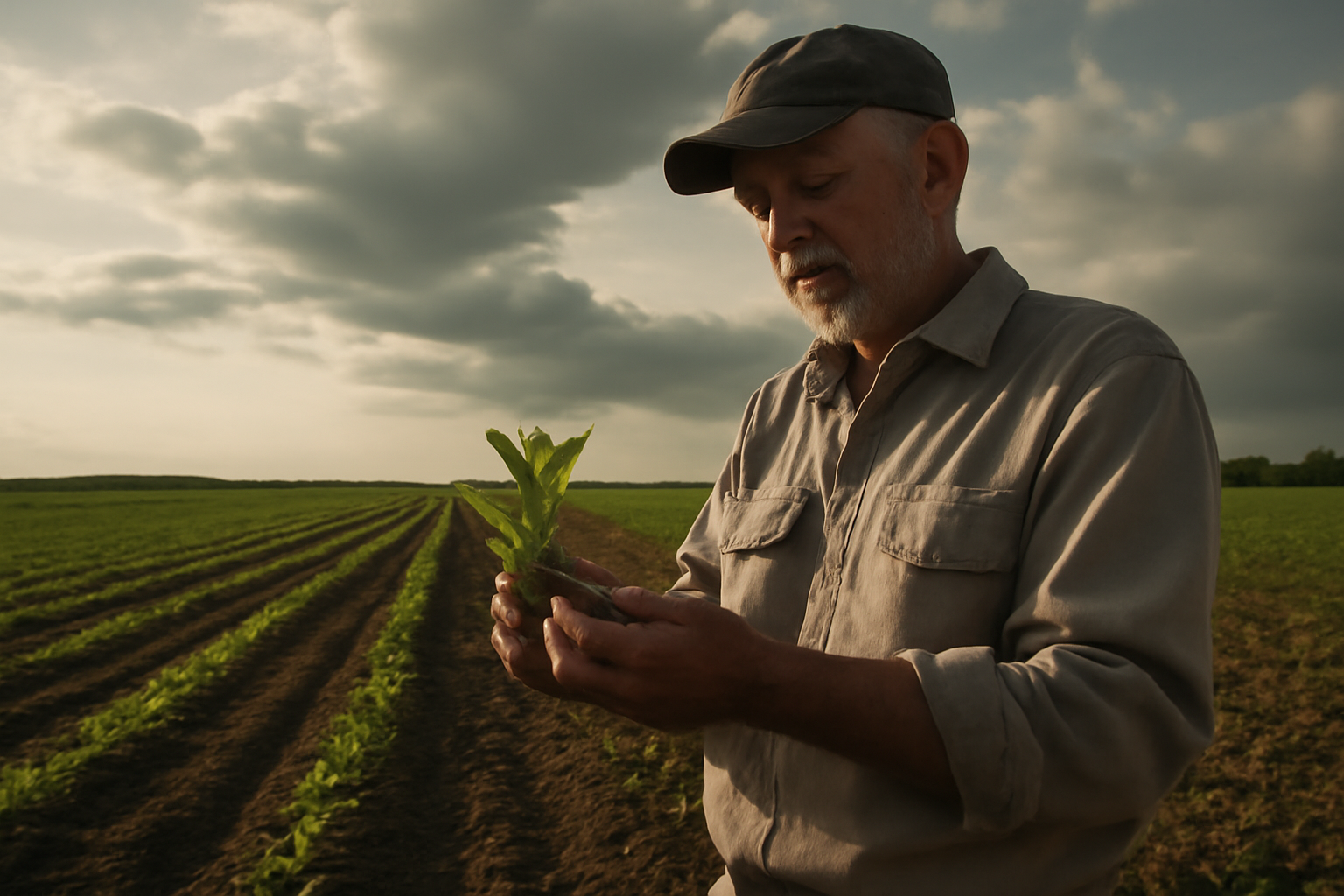
European farmers and agribusinesses today confront an array of complex challenges, including unpredictable weather, resource scarcity, and shifting market demands driven by climate change. These pressures highlight the urgent need for transformation within the agricultural sector to maintain productivity, sustainability, and competitiveness on a global level. Yet, transitioning to a future-ready agricultural industry requires more than incremental changes; it calls for a strategic framework that integrates technology, policy, and cooperation.
Why Is a High-Tech Agricultural Zone Essential for Europe’s Future?
The concept of a high-tech agricultural zone represents a concentrated effort to harness advanced technologies—such as precision farming, digital monitoring, and automated systems—to improve efficiency, reduce environmental impact, and enhance crop resilience. Such zones are designed to serve as innovation hubs where new agricultural methods can be tested and scaled, ultimately benefiting the wider farming community.
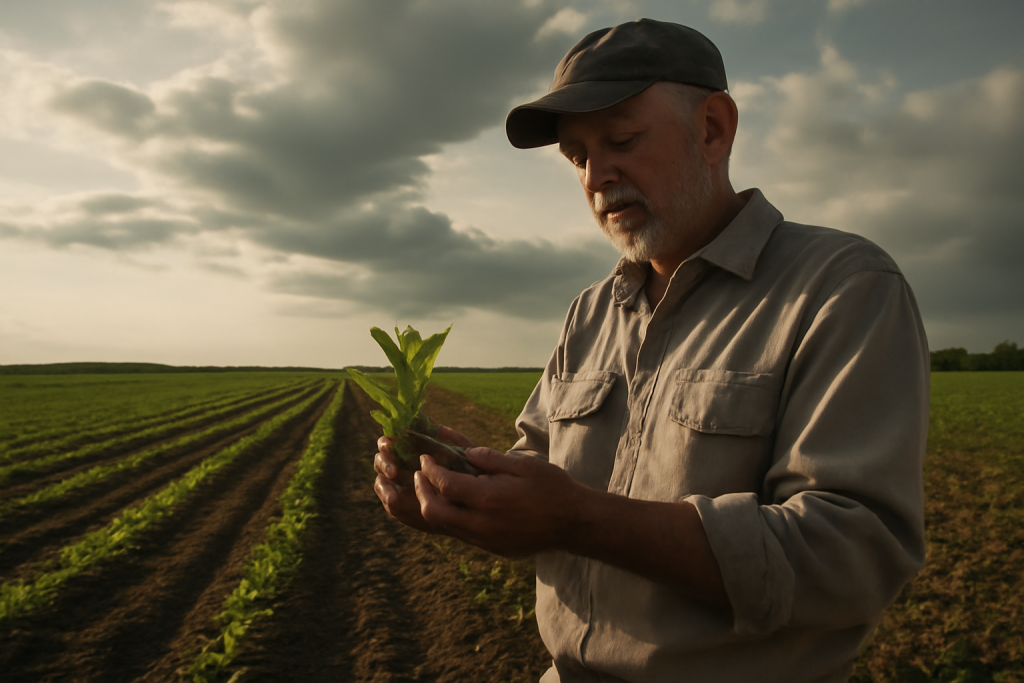
Europe’s commitment to climate goals and sustainable farming practices underscores the importance of creating these zones. They can act as catalysts for meeting EU directives on reducing greenhouse gas emissions, optimizing water and nutrient use, and promoting biodiversity. Moreover, by fostering international agricultural trade through improved product quality and traceability, these zones help European producers remain competitive in global marketplaces.
Critical Conditions for Establishing High-Tech Agricultural Zones
- Robust Infrastructure: Reliable digital connectivity, energy supply, and logistics networks are foundational. Without high-speed internet and transport links, deploying and managing modern farming technologies becomes impractical.
- Access to Cutting-Edge Technology: Innovations like satellite imagery, IoT sensors, drones, and AI-powered analytics must be readily available to farmers to enable precision agriculture and real-time decision-making.
- Skilled Workforce and Training: Farmers and agribusiness professionals need continuous education and technical support to effectively utilize new technologies and interpret data for optimal outcomes.
- Integrated Policy Support: Coherent regulations and financial incentives from the EU and national governments encourage adoption of sustainable practices and investment in technological upgrades.
- Collaborative Networks: Strong links between research institutions, technology providers, farmers, and international trade partners foster knowledge exchange and innovation diffusion.
- Environmental Monitoring and Adaptation: Systems for tracking climate impacts and adjusting practices accordingly are vital to maintain resilience and resource stewardship.
How Can These Zones Enhance Europe’s Agricultural Trade?
High-tech agricultural zones not only improve farm productivity but also elevate the quality and consistency of agricultural products, making them more attractive in international markets. Enhanced traceability and certification mechanisms embedded in digital systems build trust between buyers and suppliers, essential for expanding export opportunities.
Additionally, streamlined communication channels within these zones facilitate direct contacts between agricultural suppliers and buyers, reducing intermediaries and transaction costs. This dynamic integration supports both bulk agricultural products trade—such as grains, oilseeds, and livestock—and specialty crops, aligning with evolving global demand patterns.
Addressing Climate Change Through Innovation and Partnership
Climate change remains a defining challenge for European agriculture, influencing crop yields, pest dynamics, and resource availability. High-tech zones provide a platform for testing climate-smart practices, including drought-resistant seeds, optimized irrigation, and carbon sequestration techniques.
By integrating sustainability criteria into agricultural supply chains, these zones promote a circular economy approach that minimizes waste and enhances soil health. Furthermore, international collaboration within these frameworks enables sharing of successful adaptation strategies across borders, reinforcing Europe’s leadership in sustainable agriculture.
For agribusinesses seeking to navigate this evolving landscape, platforms that facilitate direct connections with trusted agricultural suppliers and buyers offer significant advantages. Publishing agricultural offers, accessing verified company profiles, and engaging in free agro listings empower enterprises to expand their networks seamlessly. Collaborating with international trade partners through such platforms can accelerate access to new markets and resources, essential for thriving amid climate-induced uncertainties.
As European agriculture moves toward a more digitized and resilient future, understanding and fulfilling these key conditions for high-tech agricultural zones will be pivotal. It is not only a matter of adopting new tools but creating an ecosystem where innovation, policy, and partnerships converge to meet climate challenges head-on.
To explore how your agricultural enterprise can benefit from these developments and connect with reliable international trade partners, consider leveraging comprehensive agricultural marketplaces that specialize in facilitating agricultural business partners and trusted supplier networks. Staying informed and proactive is crucial for success in today’s rapidly changing agro trade environment.