
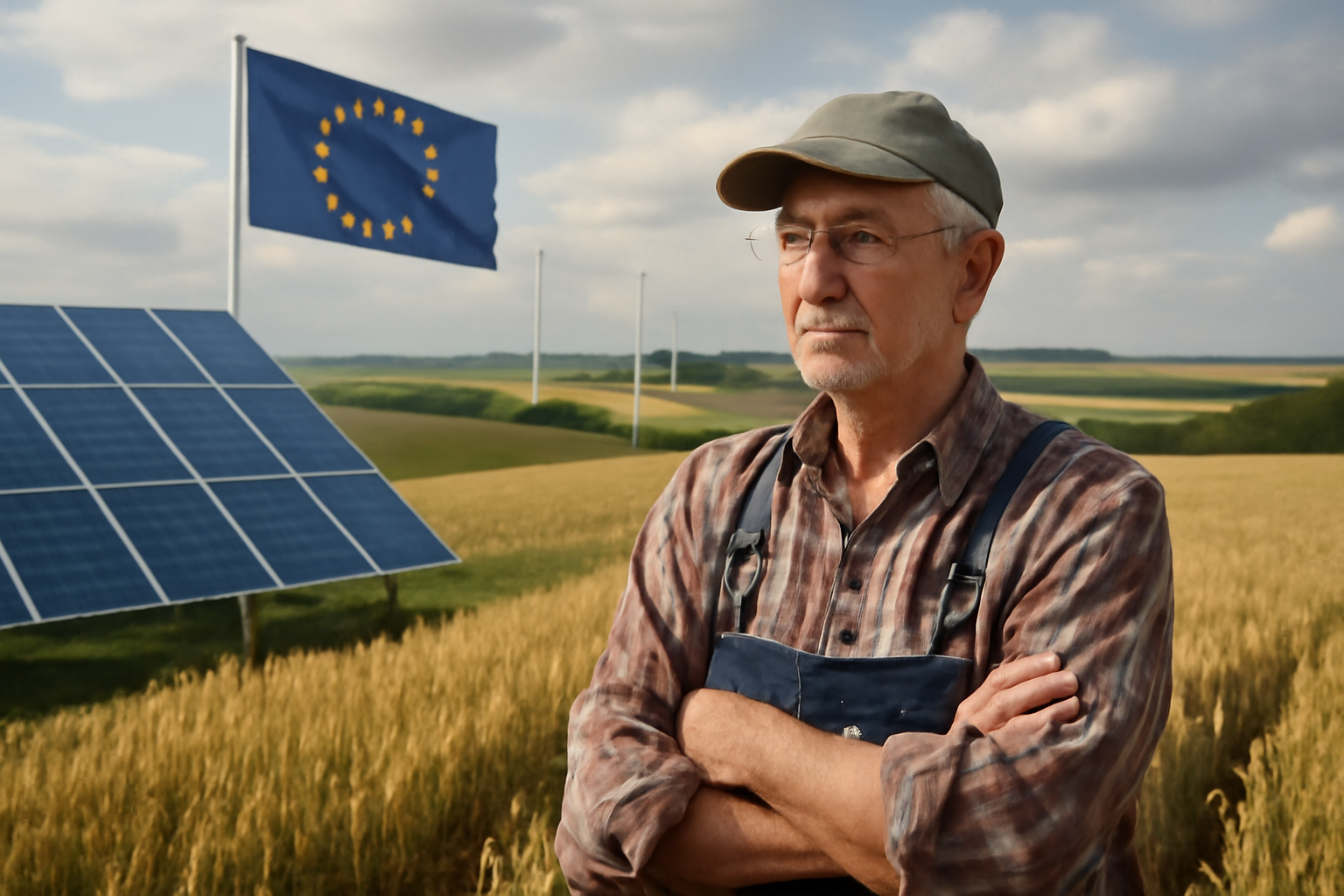
The European Union stands at a critical juncture in defining the future of its agricultural sector. Amid rising concerns about climate change and food security, the EU aims to harmonize agricultural productivity with environmental sustainability. This dual objective is reflected in comprehensive strategies and support mechanisms designed to empower farmers and agribusinesses across the continent.
EU Agricultural Policy and Climate Objectives
At the core of the EU’s vision lies the Common Agricultural Policy (CAP), which has evolved to integrate climate action more explicitly. The CAP now prioritizes sustainable farming practices that reduce greenhouse gas emissions, promote biodiversity, and enhance soil health. Targets include substantial reductions in the sector’s carbon footprint and the promotion of carbon sequestration through agroecological methods.
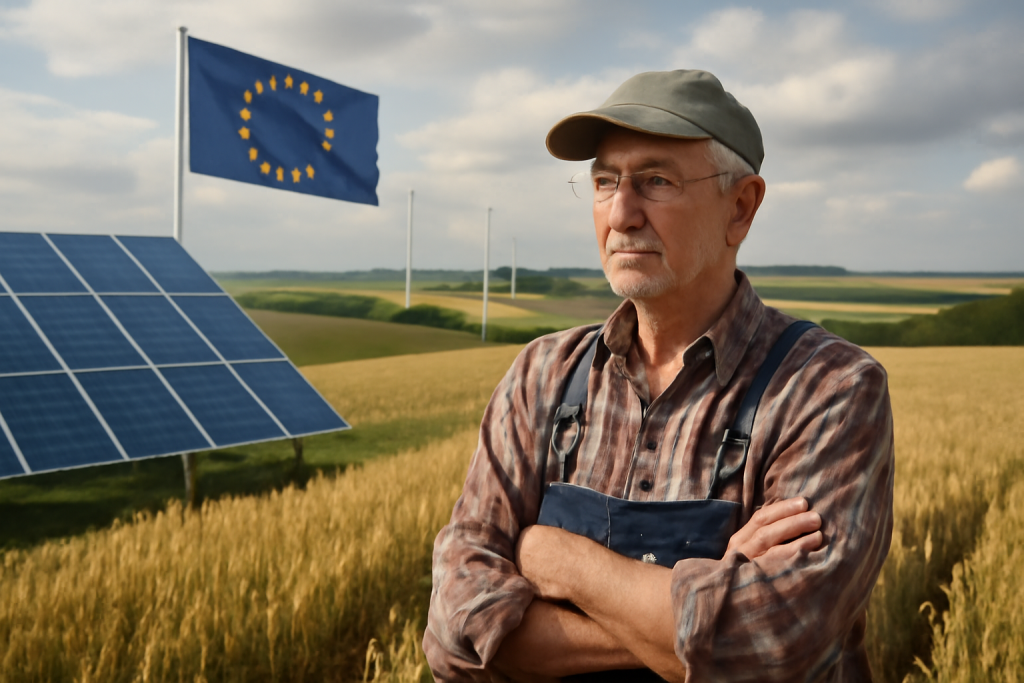
In parallel, the EU’s Green Deal and Farm to Fork Strategy set ambitious benchmarks to foster a resilient food system that supports rural economies while minimizing environmental impact. These policies encourage a transition to organic farming, reduced pesticide use, and the diversification of crops to improve ecosystem balance.
Financial Support and Incentives for Climate-Resilient Agriculture
To facilitate this transformation, the EU allocates significant funding to support farmers and agricultural enterprises. Subsidies and grants are increasingly tied to adherence to climate-friendly practices and innovation in farm management. These financial instruments aim to alleviate the costs associated with adopting new technologies and sustainable inputs.
- Eco-schemes: Voluntary programs offering payments for environmentally beneficial practices.
- Investment Support: Funding for precision agriculture, renewable energy installations, and water management infrastructure.
- Research and Innovation: Projects focused on climate-smart crops, soil carbon storage, and resilient livestock systems.
Such incentives are designed to lower barriers for farmers to innovate and align their operations with climate goals, ensuring economic viability alongside environmental stewardship.
Implications for the European Agricultural Marketplace
The evolving policy landscape directly impacts the agricultural marketplace, particularly within the international agricultural trade and supply networks. As more producers adopt sustainable certifications and practices, demand from environmentally conscious buyers is expected to increase, reshaping trade flows and product offerings.
Moreover, digital platforms facilitating direct connections between agricultural suppliers and buyers become essential in this context. They enable transparency on product origin, farming methods, and sustainability credentials, fostering trust and efficient trade relationships.
Regions across Central and Eastern Europe, as well as the Balkans, are actively adapting to these shifts, leveraging support schemes to enhance their competitiveness in the EU’s integrated agricultural marketplace.
Challenges and the Road Ahead
Despite progress, challenges persist in fully integrating climate objectives without compromising food production and rural livelihoods. Farmers face uncertainties related to market volatility, adaptation costs, and the pace of regulatory change. Ensuring inclusive participation and knowledge transfer remains key to achieving equitable outcomes.
Collaboration among EU institutions, member states, agri-businesses, and trade platforms will be critical to address these challenges. The continuous development of innovative solutions, such as precision agriculture and improved supply chain transparency, will support the resilience and sustainability of European agriculture.
In conclusion, the EU’s strategic focus on aligning agricultural policies with climate goals heralds a transformative period for the sector. By integrating environmental sustainability with economic incentives and modern trade facilitation, the European agricultural community is positioned to meet global challenges while securing a prosperous future.
For agricultural producers and businesses seeking to navigate these changes, leveraging international agricultural trade platforms and publishing agricultural product offers online can enhance market access and partnership opportunities across Europe and beyond.